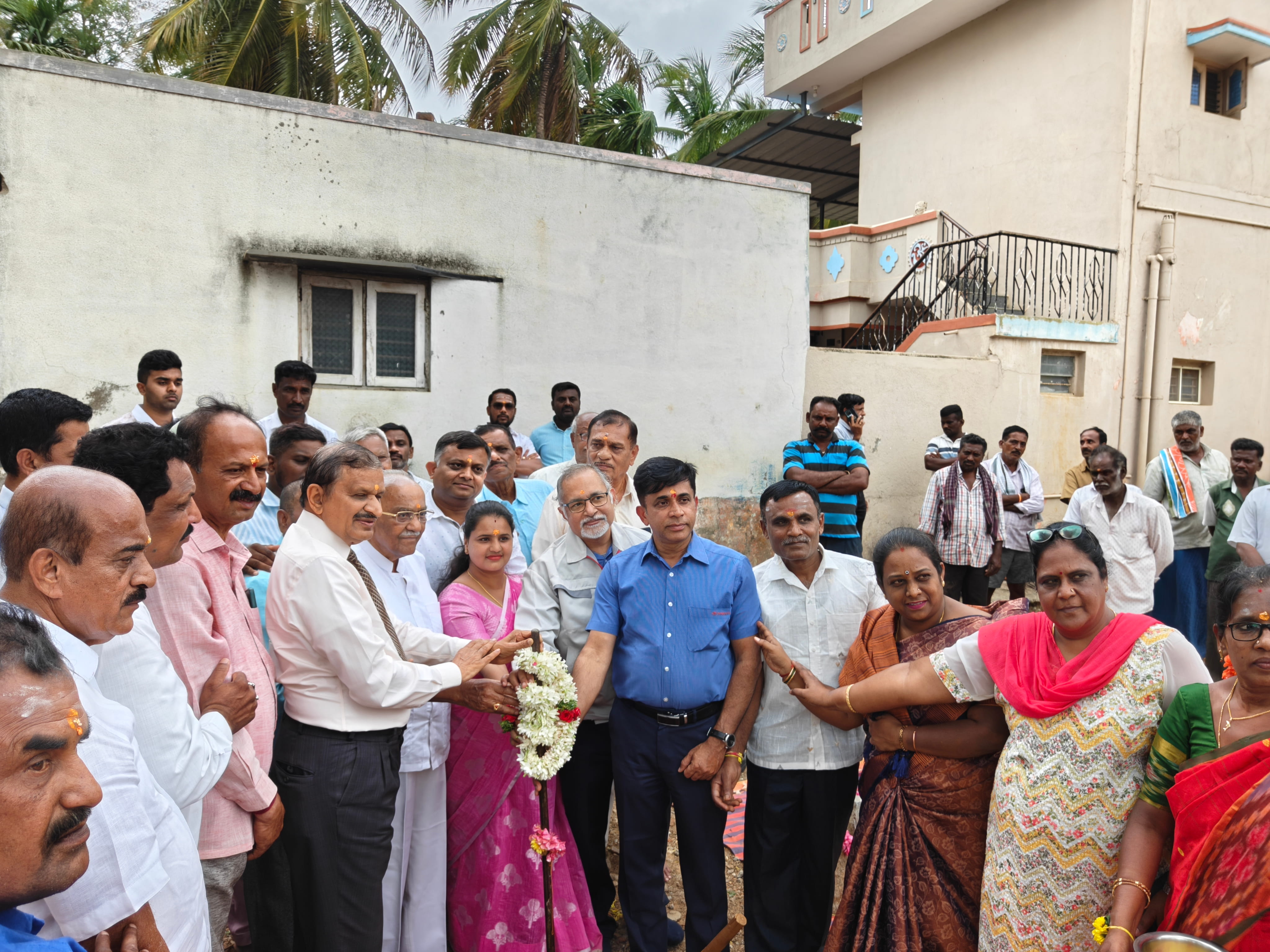
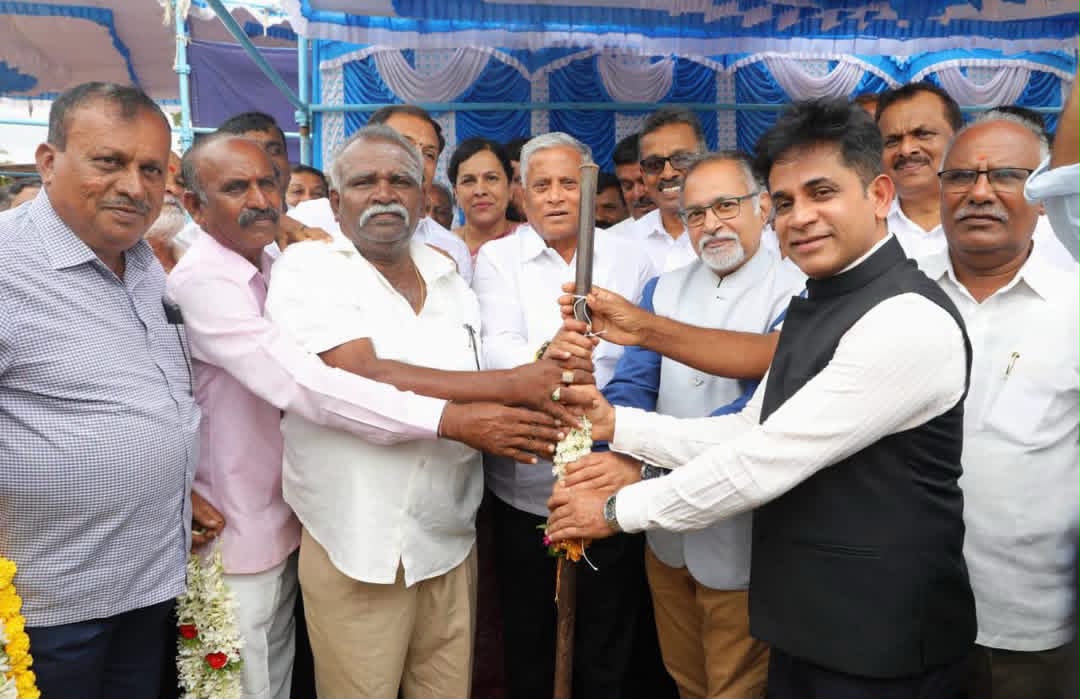
Toyota Kirloskar Motor on the occasion of International Day for Biological Diversity 2026 reaffirmed its long-term sustainability and biodiversity conservation strategy, intensifying efforts across afforestation, renewable energy adoption, ecological restoration and environmental education initiatives.
The company said all initiatives are aligned with the global Toyota Environmental Challenge 2050 (TEC 2050), which focuses on reducing environmental impact while building sustainable ecosystems around manufacturing operations and local communities.
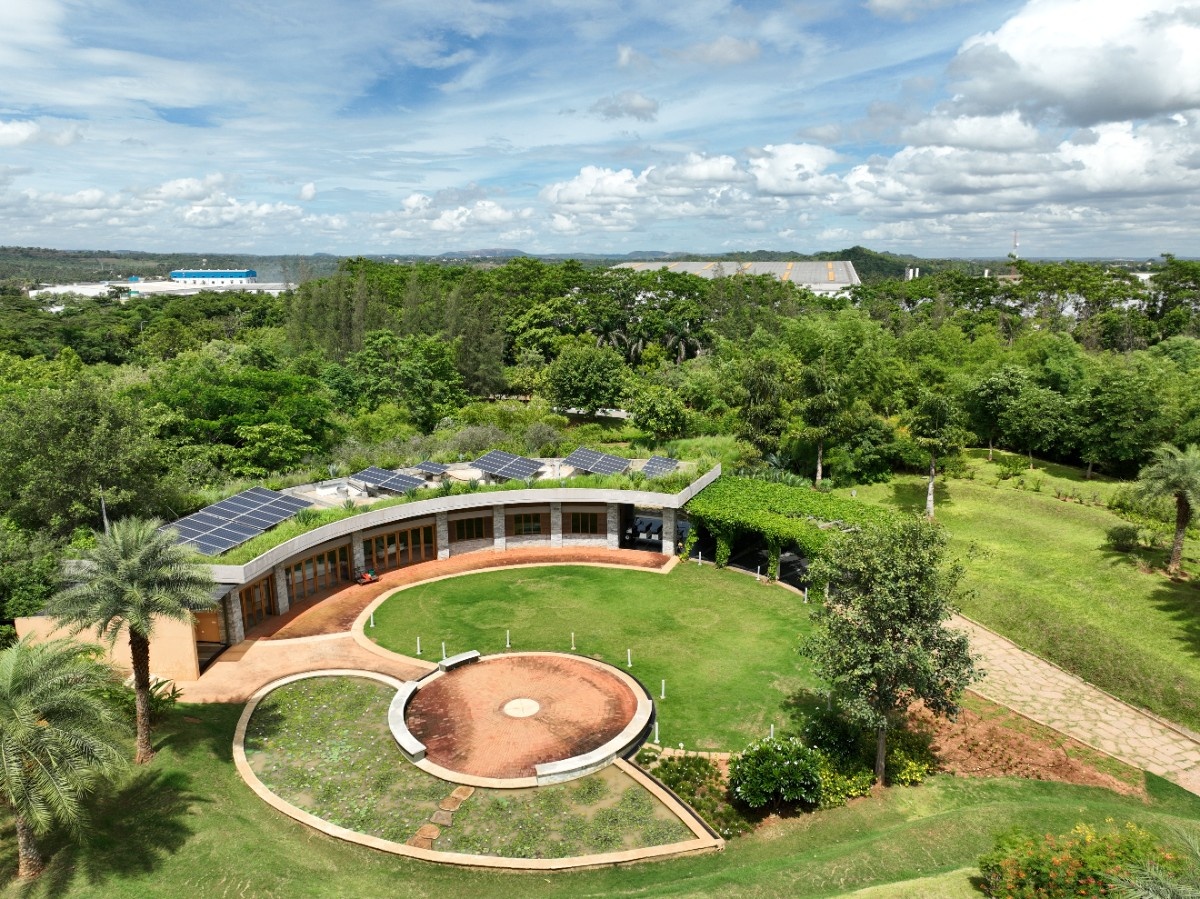
As part of its environmental roadmap, Toyota continues to expand biodiversity conservation programs around its Bidadi manufacturing facility in Karnataka through large-scale tree plantations, water conservation projects, lake rejuvenation efforts and habitat restoration activities.
A key pillar of the company’s sustainability strategy is the Toyota Greenwave Project, aimed at transforming the Bidadi plant into an ecologically resilient green sanctuary using Miyawaki afforestation techniques and green-belt development initiatives.
Toyota also highlighted its “Today for Tomorrow” initiative, which focuses on strengthening ecosystem interdependence through large-scale conservation and biodiversity enhancement programs.
The automaker said environmental education remains central to its sustainability approach through its Education for Sustainable Development (ESD) program, designed to promote eco-conscious behaviour among students and communities.
The company’s 25-acre Ecozone currently houses over 650 native plant species, including 25 species listed under the IUCN Red List, while nearly 400 faunal species have been documented within the ecological learning hub since inception.
According to Toyota, the Ecozone has already engaged over 62,000 students and stakeholders through awareness and sustainability-focused programs.
Expanding ecosystem restoration beyond factory operations, Toyota said it planted 747 saplings internally and 1,492 externally during the reporting period. At the Channapatna Police Training School in Karnataka, the company developed over 6.6 acres of green cover using forest plantation methods with approximately 4,090 saplings across 33 native species.
The initiative is expected to support groundwater recharge, biodiversity enhancement, air quality improvement and soil conservation in the region.
Further strengthening public-private sustainability partnerships, Toyota Kirloskar Motor has collaborated with the Government of Karnataka and the Karnataka Forest Department to develop an Environment Theme Park and Experiential Learning Centre at Nadaprabhu Kempegowda Vanadhama, Savandurga.
The project focuses on ecological restoration, biodiversity conservation, water management and heritage revitalization while encouraging community-led environmental stewardship.
Toyota also reported major progress in resource efficiency across its operations. Nearly 89% of the company’s water requirements are currently fulfilled through rainwater harvesting and recycled water systems, supporting its Zero Liquid Discharge goals.
In the reporting year, the company utilized 1.73 million cubic metres of water while achieving 100% renewable grid electricity across manufacturing operations, helping avoid nearly 509,000 tCO2e emissions.
Additionally, Toyota maintained over 96% waste recycling under its Zero Waste to Landfill framework.
Commenting on the company’s sustainability roadmap, B. Padmanabha said sustainability remains deeply embedded in “The Toyota Way” and continues to guide the company’s long-term environmental and community development strategy.
Going forward, Toyota said it plans to further scale afforestation projects, strengthen water stewardship practices, deepen government partnerships and expand environmental education outreach programs as India accelerates toward a greener and more sustainable economy.